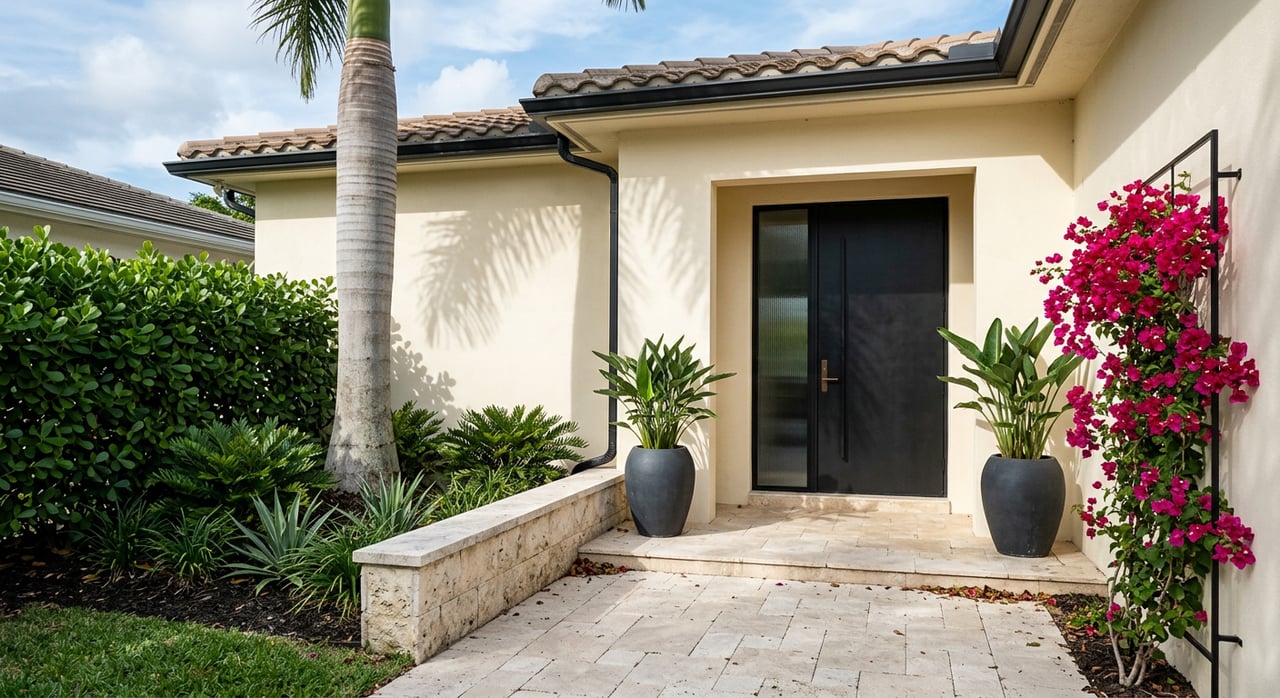
Dreaming of a Coral Gables house with a shady oak out front and room to grow? Before you fall in love, make sure the lot, zoning, and insurance picture match your plans and budget. Coral Gables has thoughtful design rules and strong review boards, and Florida’s insurance landscape rewards homes with the right upgrades. This guide walks you through the key items to verify first, from setbacks and historic status to flood risk and permits, so you can buy with clarity and confidence. Let’s dive in.
Zoning and lot rules to verify
Coral Gables’ Single-Family Residential district sets minimums for lot size and placement. A typical SFR building site requires a minimum 5,000 sq ft lot and 50 ft of street frontage. Front setbacks are often 25 ft, rear setbacks 10 ft, and maximum ground coverage is 35% for the main house, with total coverage up to 45% including accessory structures. The City Attorney clarified the height limit for single-family as two stories and 25 ft. You can review the code framework and the height memo in the City’s published resources.
- See the SFR standards overview and floor-area framework in the Coral Gables zoning code reference for residential districts. The code also uses an incremental formula to cap buildable floor area by lot size, so compare any expansion plans to the lot’s maximum allowed square footage. Review the residential zoning parameters and the City Attorney’s height clarification. Read the CAO memo on height.
- Coral Gables also applies design review and area-specific overlays. Projects that need Board of Architects or public hearings follow the City’s Development Review process. See the development review process for timelines and steps.
Planning to expand?
Do not assume you can enlarge to a target square footage without checking the lot’s building-site status and the code’s floor-area limits. Many lots sit near minimums, which can constrain additions without variances. If you are eyeing a full remodel, confirm the existing square footage, check overlays, and budget time for Board review where required.
Thinking about combining lots
Creating a larger building site by combining adjacent platted lots can require administrative steps and City review. Ask the listing agent about any prior actions taken and consult Planning early. This can impact schedule and design, so align it with your purchase contingencies.
Historic designation changes your plan
Some Coral Gables homes are locally designated or sit within local historic districts. Exterior alterations, new construction, relocations, or demolitions on designated properties generally need a Certificate of Appropriateness through the Historic Preservation Board. The City applies the U.S. Secretary of the Interior’s Standards as the review benchmark, and the process can add lead time to permits. Explore the City’s Historic Preservation requirements and resources.
Exterior design elements may need to be retained or replicated, and in some cases, other review steps pause while the Board evaluates significance. There can also be non-regulatory benefits, such as tax abatement programs and preservation incentives. Weigh the design constraints against potential incentives as you plan.
Quick historic-home checklist
- Ask whether the property is a local landmark or in a local historic district, then confirm with the City’s Historic Preservation Office.
- Request any prior Certificates of Appropriateness and Board minutes to see what was approved.
- Expect longer permit timelines and stricter rules on exterior materials, windows, massing, and landscape.
- Ask about available tax abatement or preservation incentives to offset project costs.
Inspections and insurance essentials
Order a full home inspection with a South Florida–experienced inspector. For older homes, plan for a Four-Point inspection that focuses on roof, HVAC, electrical, and plumbing. Many Florida insurers require a current Four-Point for older dwellings. A wind-mitigation inspection using the OIR-B1-1802 form documents hurricane-resilient features and can materially reduce the wind portion of your premium. Learn how carriers use the wind-mit form and why a Four-Point is often needed when underwriting older homes. See Citizens’ wind mitigation guidance and review insurer expectations for Four-Point reports.
Add WDO/termite, pool, roof, and attic inspections as needed, and consider a structural engineer if the inspector flags cracks, settlement, or suspected unpermitted work. Early, targeted inspections help you price upgrades that may be required for insurance eligibility.
Flood risk and lender rules
If you finance the home and it is in a FEMA Special Flood Hazard Area, federal rules require your lender to ensure flood insurance is in place. Ask your lender for the property’s flood determination early. You can also review FEMA flood maps and request any existing elevation certificate from the seller, which can help clarify premiums and elevation requirements. The City provides helpful flood and insurance links for local context. Read the federal flood-insurance Q&A for lenders and borrowers and visit the City’s flood resources page.
Florida insurance market context
Carrier availability and premiums change as state programs evolve. Older or high-exposure homes can face fewer carrier options and higher wind or flood costs. Ask an independent agent to quote multiple carriers and explain wind deductibles, wind-only options, and where Citizens may serve as a backup. See recent market context from Citizens.
Grants and ROI on mitigation
Florida’s My Safe Florida Home program has offered free wind-mitigation inspections and matching grants for hardening work, historically up to $10,000 for eligible owners. If you plan upgrades, check whether the property and owner could qualify before or soon after closing. Credits from improved roof-to-wall connections, opening protection, and other features can help reduce premiums. Check My Safe Florida Home.
Renovation and permitting in Coral Gables
Expect a detailed City review for additions, significant exterior changes, driveways, pools, and landscape plans. Many projects start with a pre-application meeting, and staff review often includes Fire, Historical Resources, Parks, Police, and Public Works. Public hearing tracks, when needed, can add months, and the Board of Architects or Historic Preservation Board provides design input. Review the City’s development review steps and timelines.
Tree protection is strictly enforced, and many lots include mature canopy trees. Removing or relocating a specimen, or adding work that affects the swale, typically requires permits and inspections. Build time and budget for arborist input and City approvals. See the City’s tree and swale permit requirements.
Unpermitted work and due diligence
Older homes sometimes show unpermitted additions or conversions. Ask for seller disclosures, check the City’s permit history, and get contractor estimates for any remediation that may be required. Florida law requires sellers to disclose known material defects, so use your inspection period to verify and negotiate repairs or credits.
Schools and neighborhood fit
Coral Gables is served by Miami-Dade County Public Schools, including Coral Gables Preparatory Academy at the primary level, Ponce de Leon Middle and George W. Carver at the middle level, and Coral Gables Senior High. Attendance zones vary block by block, and programs can differ by campus. Verify your assigned schools using official district tools and school pages, and factor in transportation and program options.
What to do about schools
- Verify the assigned schools by property address using district resources.
- Compare program offerings such as magnet, IB, and gifted.
- Consider commute patterns and after-school logistics.
Neighborhood checks to run
- Flood exposure: properties near canals or the Bay may sit in coastal flood zones; check maps and ask for an elevation certificate if applicable.
- Lot pattern and character: some areas have smaller, historic lots with tighter setbacks; others offer larger parcels. Confirm any neighborhood overlays that affect design or setbacks. Review the residential zoning parameters and overlays.
Offer and contingency checklist
Use this short list to move from “we love it” to “we’re protected.”
- Confirm the SFR zoning designation, recorded plat, lot area/width, and any overlays or neighborhood conservation rules. Start with the residential zoning framework.
- Ask the seller for recent wind-mitigation, Four-Point, and WDO reports. Order a full home inspection and any needed specialty inspections. See how wind-mitigation reports impact premiums.
- Get your lender’s flood determination early. If the property is in a Special Flood Hazard Area, expect lender-required flood insurance. Request any elevation certificate from the seller. Review lender flood-insurance rules.
- Check City permitting history for unpermitted work and align your renovation scope with permit requirements. Review the development review process.
- If the home is designated or in a local historic district, plan for exterior design review and longer timelines. Request prior Certificates of Appropriateness. Confirm requirements with Historic Preservation.
- For older homes, verify roof age and condition, wiring and plumbing types, and price insurer-required upgrades.
- Confirm tree protection and whether your planned pool, driveway, or landscape work needs tree or swale permits. Check tree and swale permit steps.
Next steps
Buying in Coral Gables rewards careful planning. When you confirm zoning and build limits, order the right inspections, verify flood exposure, and map out permitting early, you set yourself up for a smooth closing and a smart long-term investment. If you would like a tailored plan, local vendor referrals, or bilingual guidance, connect with Marilu Perez-Perez. Hablamos español e italiano.
FAQs
What are the basic setback and height rules for Coral Gables single-family homes?
- Most SFR lots target a 25 ft front setback, 10 ft rear, and height capped at two stories and 25 ft, with lot size and frontage minimums that start at 5,000 sq ft and 50 ft.
How does historic designation affect exterior renovations in Coral Gables?
- Designated properties generally need a Certificate of Appropriateness for exterior changes, which adds review time and may require keeping key features or materials.
Which inspections can lower my Florida home insurance costs in Coral Gables?
- A wind-mitigation inspection can earn credits for hurricane-hardening features, and a Four-Point is often required for older homes to confirm insurability.
Do Coral Gables buyers need flood insurance and how do I check?
- If your mortgaged home is in a FEMA Special Flood Hazard Area, your lender will require flood insurance; ask for the flood determination and any elevation certificate early.
Can I remove trees or add a new driveway or pool in Coral Gables?
- Tree protection and swale standards are enforced, so plan for permits and inspections when work could impact protected trees or the right of way.
What is the My Safe Florida Home program for Coral Gables homeowners?
- It has historically offered free wind-mitigation inspections and matching grants for hardening work, which can improve safety and may reduce premiums.