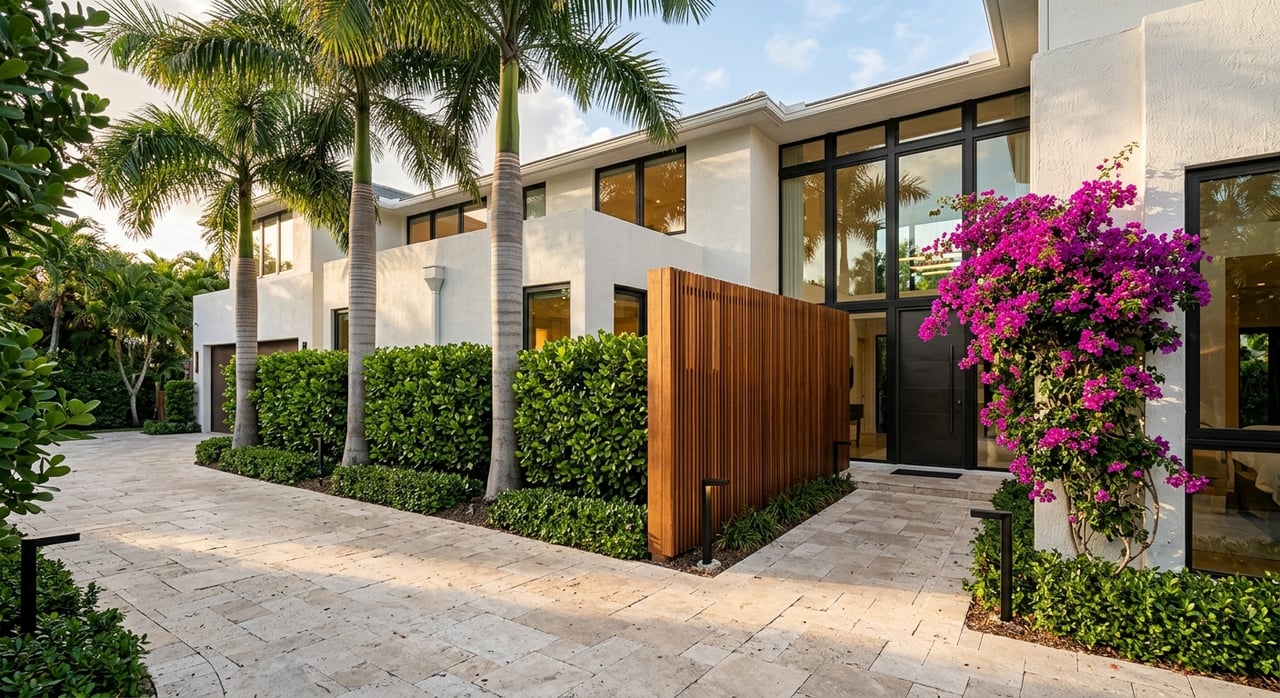
If you are thinking about a move to Doral, you are probably asking a practical question: what does everyday life actually feel like here? Beyond the polished communities and convenient location, Doral stands out for a lifestyle built around golf, shopping, parks, schools, and daily access to the rest of Miami-Dade. If you want a clearer picture of how the city works for real life, this guide will walk you through it. Let’s dive in.
What daily life in Doral feels like
Doral is a compact city with a lot happening in a relatively small footprint. It covers about 15 square miles, sits roughly one mile from Miami International Airport, and is about 12 miles from Downtown Miami. With access to 836, 826, and Florida’s Turnpike, the city is positioned for people who want convenience without living in the urban core.
The day-to-day rhythm is shaped by both residents and a major employment base. The city regularly hosts more than 100,000 workers, which means Doral has an active weekday pace with commuters moving in and out. For you, that can translate to a place that feels busy, service-rich, and well connected.
Doral is also a multilingual community with a strong relocation appeal. Census data shows 83,625 residents, with 70.3% of residents born outside the United States and 93.3% speaking a language other than English at home. If you are moving from another country or simply want a community where multilingual living is normal, Doral may feel especially comfortable.
Doral housing offers more variety
One of the biggest surprises for many buyers is that Doral is not defined by just one housing type. The city includes single-family homes, townhomes, condominiums, apartment rentals, and mixed-use neighborhoods. That variety gives you more ways to match your budget, lifestyle, and space needs.
A 2024 FIU and City analysis found that Doral’s housing mix remains broad, with 48.4% single-family detached or attached homes and 35.8% multifamily buildings with 20 or more units. In simple terms, you can find suburban-style living and more urban-style convenience in the same city. That flexibility is a big reason Doral appeals to both local move-up buyers and relocators.
Current Census figures also show a 46.5% owner-occupied housing rate, a median owner-occupied home value of $562,800, and a median gross rent of $2,669. Those numbers point to a comparatively higher-cost market in west Miami-Dade. For buyers, it helps to know that Doral often attracts people who want amenities and accessibility while staying outside central Miami.
Golf is part of the city identity
In Doral, golf is more than a hobby. It is part of the city’s public image and lifestyle. Trump Golf Doral is home to the Blue Monster, one of four championship courses at the resort complex, and the property also includes a golf shop and golf academy.
Even if you are not an avid golfer, that presence matters. It helps shape the city’s identity and adds to the polished, leisure-oriented feel many buyers notice right away. For some residents, golf is a major lifestyle draw. For others, it is simply part of the backdrop that gives Doral its distinct character.
Parks make Doral feel active
Golf may get the attention, but parks are what support everyday routines. Doral operates 11 parks, giving residents spaces for exercise, play, events, and casual outdoor time. That park system adds a practical side to the lifestyle that many buyers value.
Doral Central Park is the city’s largest park and includes a wellness campus, amphitheater, playgrounds, athletic fields, and event space. That makes it useful for everything from a morning walk to a weekend outing. It also reinforces how much of Doral’s lifestyle happens outdoors.
If you have pets, dog-friendly amenities are built into the city’s park offerings too. Trails & Tails Park and Doral White Course Park both include off-leash areas. Small details like that can make a big difference when you are choosing where to live.
Shopping and dining are easy to access
For many buyers, convenience is not just about highways. It is also about how easy it is to run errands, meet friends, or make a weekend plan without a long drive. In Doral, shopping and dining are central parts of daily life.
Miami International Mall is the city’s main shopping anchor, with department stores and more than 140 specialty stores. That gives you a major retail hub close to home. For everyday needs and casual browsing, having that kind of shopping concentration nearby can be a real advantage.
Doral also offers more open-air, walkable-style destinations. CityPlace Doral and Downtown Doral add restaurants, cafés, bistros, shops, and recurring events to the local mix. Downtown Doral’s dining options include cuisines such as Peruvian and Mexican coastal, which reflects the area’s broader cultural range.
Schools are woven into everyday routines
If schools are part of your decision-making process, Doral clearly has a strong educational presence in daily city life. The city’s school-zone camera page currently lists 18 school sites. That list includes Doral Academy schools, Downtown Doral Charter Elementary and Upper School, J.C. Bermudez Doral Senior High School, Ronald W. Reagan / Doral Senior High School, and several K-8 centers.
The city also states that Doral has 40 public, charter, and private schools, along with more than 10 colleges, universities, and technical schools. That does not tell you which option is right for your household, but it does show that education is a significant part of the city’s infrastructure. You are likely to notice that influence in traffic patterns, community events, and daily routines.
The city’s annual school-supplies donation efforts with local PTSAs add another sign that schools are woven into community life. For relocating buyers, this can be helpful context. It signals that schools are not a side feature here. They are part of how the city functions day to day.
Commuting in Doral takes planning
Doral’s location is one of its biggest advantages, but it is important to understand how mobility works in practice. The city is surrounded by major roadways and sits very close to the airport, which supports access across the region. Census data shows a mean travel time to work of 26.5 minutes.
At the same time, traffic is shaped by more than just resident commutes. FIU’s 2024 analysis found that most jobs in Doral are filled by workers who live outside the city, while only 5,990 employed residents work in Doral. That means peak travel times are influenced by both inbound workers and outbound residents.
There are also local alternatives for shorter trips. Doral Trolley runs four routes with real-time tracking, and Freebee offers free door-to-door service with connections to the Palmetto Metrorail Station and CityPlace. If you are comparing communities, those local options can add flexibility for errands, dining, and shorter outings.
Who Doral may suit best
Doral can appeal to several types of buyers because it blends convenience with a broad range of housing and lifestyle amenities. You may find it especially appealing if you want a location that balances suburban features with strong access to shopping, dining, and major roadways. It can also be a practical fit if you value a multilingual community and a housing mix that includes condos, townhomes, and single-family homes.
For some buyers, the appeal is lifestyle. Golf, parks, and outdoor recreation create a more active day-to-day feel. For others, the draw is more practical: schools, commuting access, proximity to the airport, and the ability to choose from different home types in one city.
What to consider before moving
Before choosing Doral, it helps to think through how you live on a normal weekday, not just what looks good on a weekend visit. Ask yourself questions like:
- Do you want condo, townhome, or single-family options in the same area?
- How important is quick access to major highways and the airport?
- Would nearby shopping and dining make your routine easier?
- Do parks, outdoor spaces, or golf matter to your lifestyle?
- Are school locations and daily traffic patterns important to your home search?
When you answer those questions honestly, Doral becomes easier to evaluate. The city offers a strong mix of convenience and amenities, but the right fit depends on how those features line up with your daily priorities.
If you are exploring Doral and want guidance tailored to your goals, Marilu Perez-Perez can help you compare communities, understand the local housing mix, and navigate your next move with personalized, high-touch support.
FAQs
What is everyday life in Doral like for residents?
- Everyday life in Doral is shaped by a mix of residential neighborhoods, major employment activity, shopping, parks, schools, and road access to the rest of Miami-Dade.
What types of homes can you find in Doral?
- Doral includes single-family homes, townhomes, condominiums, apartment rentals, and mixed-use neighborhoods, offering both suburban-style and more urban-style housing options.
What shopping and dining options are available in Doral?
- Doral includes Miami International Mall, CityPlace Doral, and Downtown Doral, with department stores, specialty retail, restaurants, cafés, bistros, and regular events.
What parks and outdoor amenities does Doral offer?
- Doral operates 11 parks, including Doral Central Park, plus dog-friendly off-leash areas at Trails & Tails Park and Doral White Course Park.
What school options are part of daily life in Doral?
- The city identifies 18 school sites on its school-zone camera page and states that Doral has 40 public, charter, and private schools, plus more than 10 colleges, universities, and technical schools.
What is commuting in Doral like?
- Commuting in Doral is largely road-based, with access to 836, 826, and Florida’s Turnpike, plus local options like the Doral Trolley and Freebee for some shorter trips.