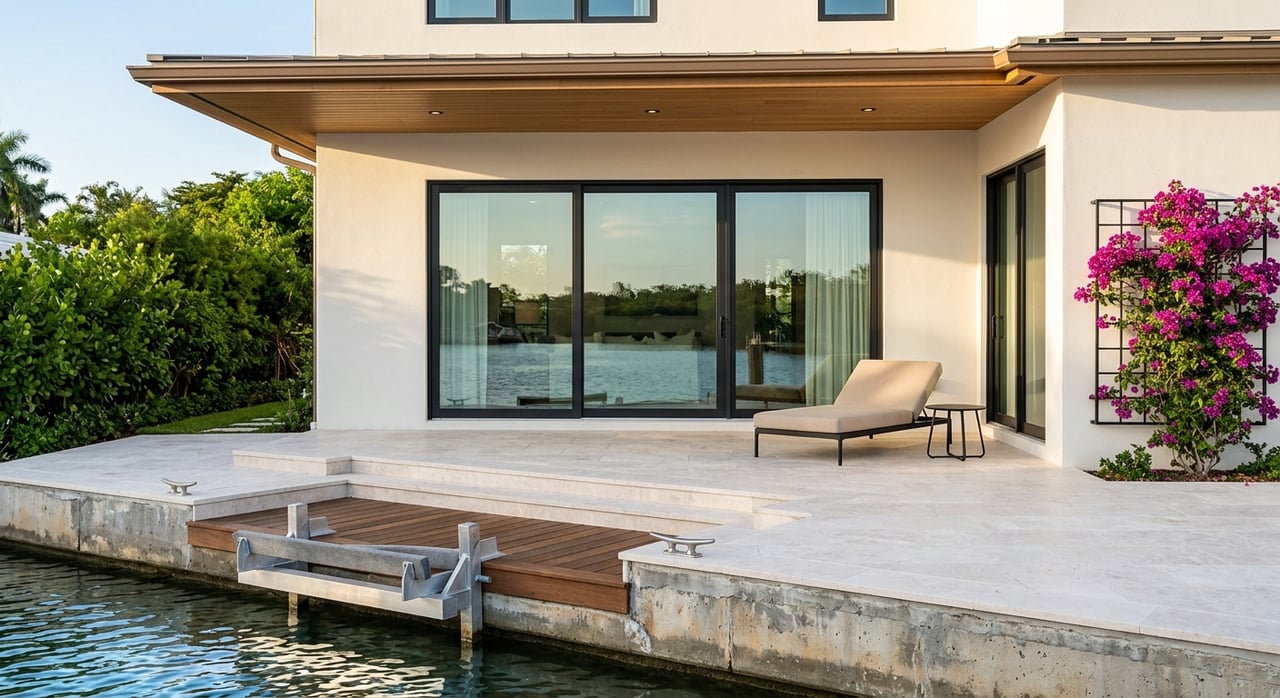
Canal living in Fort Lauderdale has a strong pull. You picture the water behind your home, easy boat days, and a view that feels like a vacation. If you are thinking about living on or near the Fort Lauderdale canals, it helps to understand both the lifestyle and the practical side. This guide will walk you through what daily life can look like, what types of properties you may find, and what to check before you buy. Let’s dive in.
Why Fort Lauderdale canal living stands out
Fort Lauderdale’s canal lifestyle is tied directly to the city’s layout and identity. The city says it has 165 miles of scenic inland waterways, including the Intracoastal Waterway and the New River, which is a big reason it is known as the Venice of America.
That water access shapes how people move, relax, and enjoy the city. Water Taxi routes connect waterfront restaurants, parks, beach access, and entertainment across Fort Lauderdale, Pompano Beach, and Hollywood. The free Water Trolley also runs daily downtown, with eight stops and typical waits of about 20 to 30 minutes between boats.
The climate also plays a big role in the experience. Fort Lauderdale averages about 3,000 hours of sunshine a year, and NOAA climate normals for Fort Lauderdale-Hollywood Airport show an annual mean temperature of 77.2°F and annual precipitation of 60.95 inches.
In simple terms, canal living feels different by season. Winter is usually drier and often more relaxed for outdoor living, while late spring through fall tends to bring more rain, more heat, and more maintenance needs.
What living on or near a canal feels like
For many buyers, the appeal starts with access. Depending on the property, you may be close to docking, boat launching, paddle access, or a short ride to waterfront dining and recreation.
But canal living is not one single experience. A detached home with a dock can feel very different from a condo near the Intracoastal, even if both are marketed as waterfront or canal-adjacent.
If you live directly on the water, your daily routine may include watching tides, checking shoreline conditions, and staying on top of maintenance. If you live near the canals instead of directly on one, you may still get the lifestyle benefits with fewer infrastructure responsibilities.
That tradeoff matters. In Fort Lauderdale, waterfront living can offer views, boating, and a resort-like setting, but it often comes with more regulation, more weather sensitivity, and more upkeep than a typical inland home.
Canal property types in Fort Lauderdale
Fort Lauderdale’s canal housing is a mix of property styles. City permit categories for waterfront work include Boatlift-Dock-Seawall-Pile, which points to the fact that many homes are true dock properties with shoreline infrastructure.
At the same time, the city’s Living Seawall program separates single-family residential properties from commercial properties that include condominiums, townhomes, and multi-family buildings. That tells you waterfront ownership here spans much more than single-family homes.
You may find options such as:
- Single-family homes directly on canals
- Townhomes near or on the water
- Waterfront condominiums
- Condo-heavy pockets near the Intracoastal or downtown
- Homes with docks, seawalls, or boat lifts already in place
This variety is part of what makes Fort Lauderdale appealing to different buyers, from lifestyle-focused homeowners to relocators and second-home buyers who want a strong waterfront feel.
Fort Lauderdale neighborhoods tied to the canals
The canal network runs through many recognizable Fort Lauderdale residential areas. Official city neighborhood records include names such as Las Olas Isles, Rio Vista, Lauderdale Harbours, Harbor Beach, Harbor Drive, Harbor Isles, Nurmi Isles, Navarro Isle, Sunrise Key, Coral Ridge Isles, and Laudergate Isles.
These names matter because canal living is not centered in one single district. Instead, it is woven into different parts of the city, and each area can offer a different mix of housing type, water access, and day-to-day feel.
That is why it helps to look beyond the phrase “waterfront home.” Two homes may both be near canals, but one may be a detached property with active dock and seawall responsibilities, while another may be a condo with association-based oversight.
What buyers should know about flood risk
Flood risk is one of the most important parts of buying on or near the canals. Fort Lauderdale says many residents live in or near Special Flood Hazard Areas, and standard homeowner or renter policies usually do not cover flood damage.
The city also notes that NFIP flood coverage has a 30-day waiting period before it takes effect. That means timing matters if you are planning a purchase and want to understand your future protection options.
Broward County says its current flood zone map effective July 31, 2024 should be reviewed when assessing risk. For you as a buyer, the practical takeaway is clear: flood status should be verified at the parcel level before you buy, renovate, or make assumptions based on a listing description.
Seasonal flooding and hurricane timing
Waterfront living in South Florida always comes with a seasonal rhythm. The Atlantic hurricane season runs from June 1 through November 30.
Fort Lauderdale’s king-tide information says the highest tides typically arrive in September, October, and November. During that period, low-lying waterfront areas can be more vulnerable to nuisance flooding.
This does not mean canal living is off-limits. It means you should go in with a realistic plan for weather, drainage, and seasonal conditions, especially if you want a home with direct shoreline exposure.
Seawalls, docks, and permits matter more than you think
Many buyers focus first on views and boat access. Just as important is the condition and history of the property’s waterfront infrastructure.
Fort Lauderdale says replacing dock decking requires a permit and Broward County approval. The city also places dock, seawall, boatlift, and pile work within its waterfront permit structure.
Broward County’s seawall guidance says tidal flood barriers in tidally influenced areas must meet minimum elevation standards when newly built or substantially repaired. Property owners are also responsible for keeping those barriers in good repair.
This is a major part of the buying decision. A canal-front property is not just a home with a pretty backdrop. It may also be a property with long-term infrastructure responsibilities that affect value, maintenance, and renovation planning.
A local resilience detail worth knowing
Fort Lauderdale is also encouraging more resilient shoreline upgrades. Its Living Seawall Permit Fee Assistance Program offers a 100% discount on seawall building permit base fees, with assistance up to $3,500 for single-family residential properties and up to $7,000 for commercial properties including condominiums, townhomes, and multi-family buildings.
The city describes living seawalls as structures that mimic natural habitats, improve water quality, support marine life, and reduce wave energy. For buyers, this is useful because it shows how seawall decisions may be part of both property protection and long-term city resilience efforts.
Water quality affects day-to-day use
If you hope to swim, paddle, or launch regularly from nearby canals, water quality is worth paying attention to. Fort Lauderdale funds weekly monitoring with Miami Waterkeeper, with samples collected on Tuesdays and results posted the next day.
The monitoring list includes Himmarshee Canal, the New River, the Middle River, Tarpon River, and the Intracoastal. In real life, that means not every waterway day will feel the same.
A canal address can support an active outdoor lifestyle, but actual conditions may vary by location and timing. If water access is central to your goals, it helps to ask detailed questions about how you plan to use the property.
Canal living and the broader Fort Lauderdale market
Canal homes sit inside a larger city market that is already relatively high value. Census QuickFacts shows Fort Lauderdale has 80,999 households, a 54.1% owner-occupied housing unit rate, a median owner-occupied home value of $486,700, and a median gross rent of $1,854.
Recent market trackers cited in the research place citywide median sale prices roughly in the mid-$500,000s to upper-$500,000s, depending on the month and methodology. But with canal properties, the headline price rarely tells the full story.
Your actual cost of ownership may also be shaped by:
- Dock access
- Seawall condition
- Flood exposure
- Insurance needs
- Permit history
- Ongoing maintenance requirements
That is why two homes with similar size and location can feel very different in value once waterfront details are reviewed.
How to evaluate a canal property smartly
If you are serious about living on or near the Fort Lauderdale canals, it helps to look at the property through both a lifestyle lens and a due-diligence lens.
Start with the lifestyle side. Think about whether you want direct water access, a water view, proximity to marinas, or a lower-maintenance option near the canals rather than directly on one.
Then move into the practical review. Ask for clarity on flood zone status, dock or seawall condition, permit history, and what maintenance may be coming next.
A helpful checklist includes:
- Verify the parcel’s current flood zone information
- Review whether the property has a dock, seawall, boat lift, or other shoreline features
- Ask about permit history for waterfront improvements
- Understand whether the home is single-family, condo, or townhome, and who handles which responsibilities
- Consider how seasonal weather and king tides may affect the property
- Think through your real use case for the water, such as boating, paddling, views, or resale value
Is living near the canals a better fit than living on them?
For some buyers, yes. Living near the canals can still give you a strong Fort Lauderdale waterfront lifestyle with easier access to water-based dining, views, marinas, and recreation.
It may also reduce some of the direct responsibilities that come with owning shoreline infrastructure. That can be especially appealing if you want the atmosphere of waterfront living without taking on every dock or seawall decision yourself.
The right answer depends on your goals, your comfort with maintenance, and how much direct water access matters to your daily life.
If you want help comparing canal-front homes, waterfront condos, or nearby lower-maintenance options in Fort Lauderdale, Marilu Perez-Perez offers personalized, high-touch guidance to help you evaluate the lifestyle and the details with confidence.
FAQs
What does canal living in Fort Lauderdale usually include?
- Canal living in Fort Lauderdale can include direct waterfront homes with docks or seawalls, as well as condos and townhomes near the water. The experience depends on the property type and how much direct water access and maintenance responsibility comes with it.
What should buyers check before buying a Fort Lauderdale canal home?
- Buyers should verify parcel-level flood zone information, review dock and seawall condition, check permit history, and understand how seasonal flooding, king tides, and insurance needs may affect ownership.
Are Fort Lauderdale canal properties only single-family homes?
- No. City programs and permit categories show that waterfront ownership in Fort Lauderdale includes single-family homes, condominiums, townhomes, and multi-family properties.
When is flooding most important to watch in Fort Lauderdale canal areas?
- Flood awareness is especially important during hurricane season, which runs from June 1 through November 30, and during the highest king tides, which typically occur in September, October, and November.
Does Fort Lauderdale monitor canal water quality?
- Yes. The city funds weekly water quality monitoring at locations that include Himmarshee Canal, the New River, the Middle River, Tarpon River, and the Intracoastal, with results posted the day after sampling.
Is living near the Fort Lauderdale canals a good alternative to direct waterfront ownership?
- For many buyers, yes. Living near the canals can offer a similar waterfront atmosphere and access to local amenities, often with fewer direct shoreline maintenance responsibilities than owning a canal-front property.