If you have ever wanted a Miami-area neighborhood that feels polished, leafy, and full of architectural character, Coral Gables likely stands out right away. You are not just looking at a place to live. You are looking at a lifestyle shaped by design, history, and everyday convenience. In Coral Gables, those pieces come together in a way that feels both elegant and practical. Let’s dive in.
Why Coral Gables Feels So Distinct
Coral Gables was planned with a clear vision from the start. City materials describe it as a City Beautiful and Garden City community, with lush green avenues, residential streets, civic landmarks, and a carefully shaped layout. That planning still shows up in the way the city looks and feels today.
Unlike many areas that grew without a strong design identity, Coral Gables has a visual consistency that people notice right away. Historic landmarks, public art, businesses, and dining all fit into a setting that feels intentional. If you value a neighborhood with a strong sense of place, this is a big part of the appeal.
Preservation also plays a major role in the city’s character. More than 1,000 properties are listed on the Coral Gables Register of Historic Places. That helps explain why the city feels so well maintained and why its streetscapes remain so recognizable.
Mediterranean Revival Defines the Look
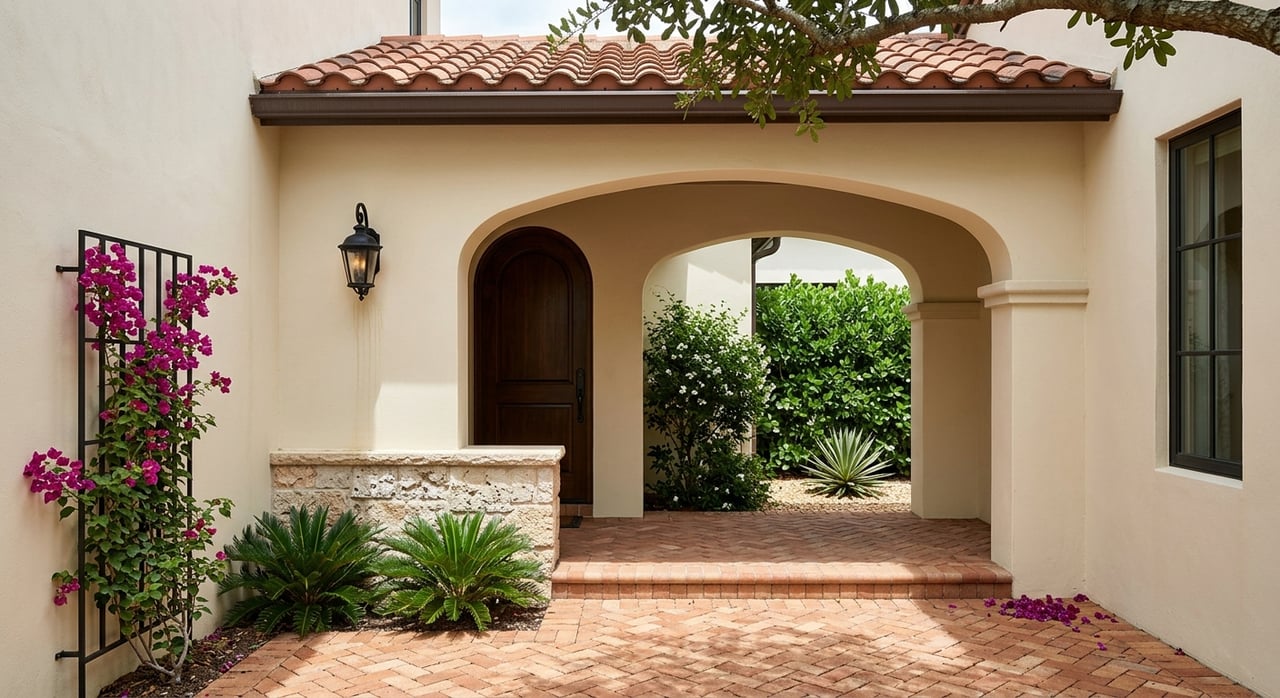
When people picture Coral Gables, they often picture Mediterranean Revival architecture. This style is one of the city’s signature features, and it reflects the original vision behind the community. It is a major reason the area feels timeless rather than trendy.
You can see this design language in local landmarks and throughout residential areas. Common details include stucco exteriors, arches, loggias, coral rock, courtyards, and tile-roofed silhouettes. These features create the warm, classic aesthetic that gives Coral Gables so much charm.
The city also actively protects that look. Coral Gables has a Board of Architects that reviews details such as materials, colors, proportions, and other exterior elements. That review process helps new development and renovations stay visually compatible with the surrounding streetscape.
Historic Character Still Shapes Today’s Homes
One of the most interesting things about Coral Gables is that it is not simply preserved like a museum. New development still happens, but it is shaped by design review and local standards. That means you can find homes and buildings that feel updated while still fitting the city’s established character.
For buyers, this often translates into a more cohesive visual experience. You are less likely to feel like the streetscape changes randomly from block to block. Instead, there is a sense of continuity that supports long-term appeal.
Early History Adds Meaning
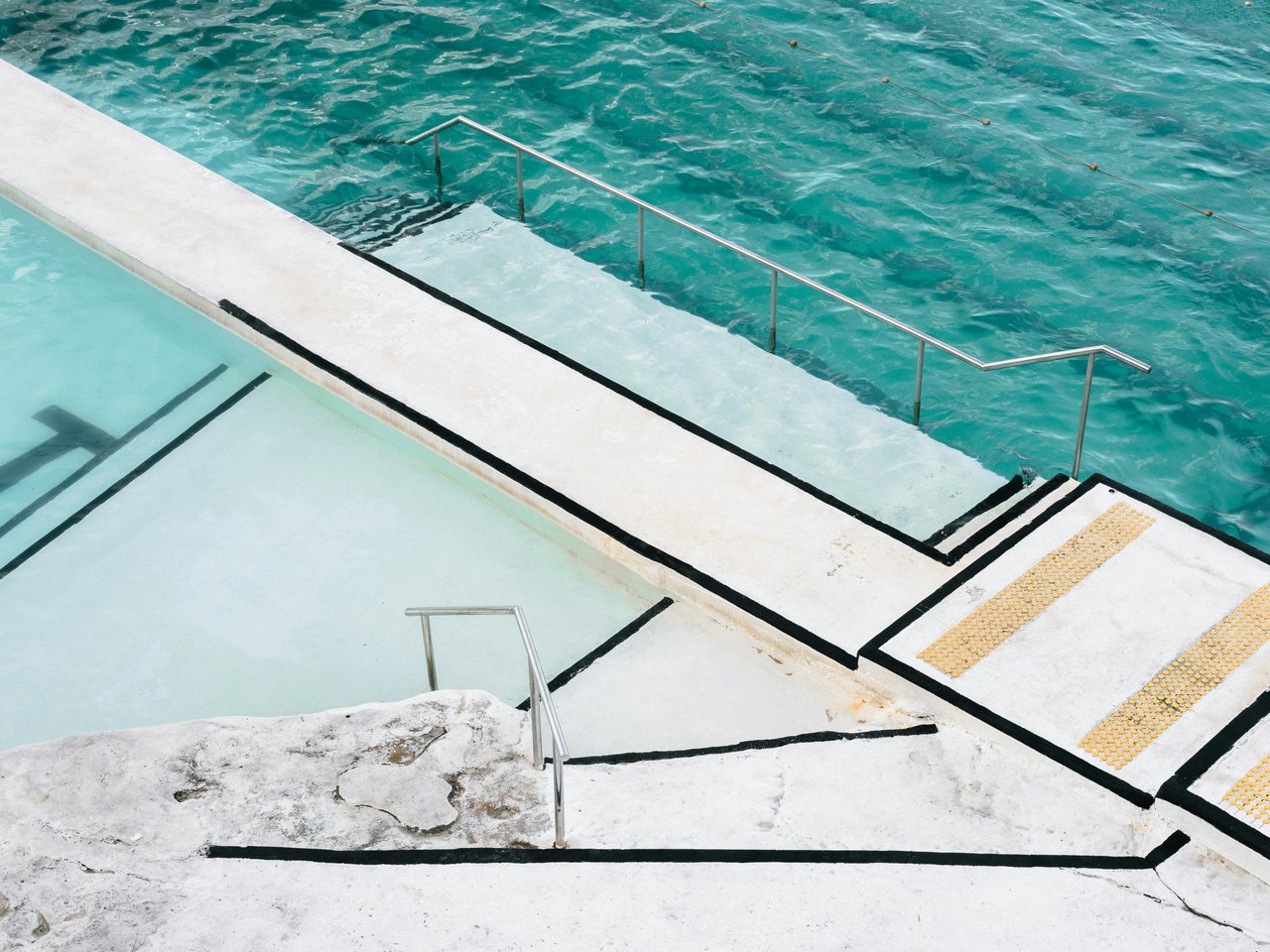
Much of Coral Gables was built quickly between 1921 and 1926. During that early growth, Bahamian stonemasons played an important role in the construction of many buildings. The quarry that supplied stone for early structures later became the Venetian Pool, which remains one of the city’s most recognizable landmarks.
That history gives Coral Gables more than visual charm. It adds depth and identity. When you live here, you are part of a city with a clearly documented architectural story.
Everyday Life in Coral Gables
Charm matters, but so does daily convenience. Coral Gables stands out because it offers both. The city is known not only for beautiful homes and landmarks, but also for a lifestyle built around walkability, dining, recreation, and access.
The downtown core is especially pedestrian-oriented. The city says the Central Business District is designed to preserve downtown character, promote pedestrian activity, and encourage walkability through open space and mixed-use planning. If you enjoy being able to step out for coffee, dinner, or errands without always relying on your car, that is an important advantage.
Miracle Mile and Giralda Plaza
Miracle Mile serves as the city’s main street and one of its best-known lifestyle hubs. It is described by the city as a central destination for dining, shopping, and entertainment, with outdoor cafés, boutiques, and a tree-lined streetscape. That mix gives the area an active but still refined feel.
Just nearby, Giralda Plaza adds another layer to the experience. This pedestrian walkway is lined with restaurants, bars, and coffee shops, with both indoor and outdoor seating. For many residents, these downtown destinations help define what day-to-day living in Coral Gables actually feels like.
Walkability With Practical Support
A walkable district works best when it is also easy to navigate. Coral Gables supports that with both transit and parking options. The Coral Gables Trolley is free Monday through Saturday, averages more than 1 million passengers per year, and connects to Metrorail.
The city also launched a Southern Loop trolley pilot in November 2025 to improve access to the University of Miami and other destinations. At the same time, downtown parking remains accessible through public garages, lots, and valet options near Miracle Mile and Giralda Plaza. That balance can make a big difference if you want convenience without sacrificing atmosphere.
A Lifestyle Beyond the Architecture
Coral Gables offers more than attractive streets and beautiful homes. It also has a broad mix of cultural and recreational amenities that shape the local lifestyle. This is part of what makes the city feel livable in a full, everyday sense.
According to city information, Coral Gables supports more than 100 cafés and restaurants. It also offers a museum and art cinema on Aragon Avenue, four live theaters, University of Miami lectures and performances, the Lowe Art Museum, Fairchild Tropical Botanic Garden, public art, and a spring farmers market in front of City Hall.
That variety gives you options throughout the week and across seasons. You can enjoy a quiet coffee, a dinner out, a cultural event, or time outdoors without needing to go far. For many buyers, that layered lifestyle is a major reason Coral Gables remains so appealing.
Parks, Trees, and Outdoor Space
The city’s recreation network is another standout feature. The Community Recreation Department manages more than 60 parks and open spaces, along with the Venetian Pool, golf, tennis centers, youth programs, and adult recreation. That range adds flexibility to daily life, whether you want active recreation or a more relaxed outdoor routine.
Coral Gables is also known for its extensive tree canopy. The city reports more than 41% canopy coverage and notes that it has been recognized as Tree City USA since 1985. That helps explain the shaded, leafy feel that sets many streets apart from denser parts of Miami.
What Buyers Often Appreciate Most
If you are considering Coral Gables, the appeal usually comes down to a few key qualities working together. It is not just one thing. It is the combination of architecture, planning, walkability, and recreation that creates the experience.
Here are some of the features buyers often value:
- A strong architectural identity shaped by Mediterranean Revival design
- Preserved streetscapes and a large concentration of historic properties
- A downtown area centered around walking, dining, and public gathering spaces
- Free trolley service with connection to Metrorail
- A wide selection of cultural venues, restaurants, and outdoor amenities
- A tree-lined environment that feels curated and established
For some buyers, that means finding a home with classic design details and long-term visual appeal. For others, it means living in a neighborhood where daily errands, meals out, and leisure time feel easier and more enjoyable.
What Makes Coral Gables Different From Other Miami Areas
Every Miami-area neighborhood has its own rhythm, but Coral Gables stands apart for how intentionally it blends elegance and order. It is not a purely high-rise urban core, and it is not a typical suburban area either. Instead, it offers a polished residential setting with strong design standards and an active downtown.
That can be especially appealing if you want beauty and structure in your environment. The city’s combination of preserved architecture, public art, parks, open spaces, and pedestrian-friendly streets creates a setting that feels curated in a way many buyers notice immediately.
If your goal is to find a neighborhood that delivers both charm and function, Coral Gables deserves a close look. It offers a lifestyle that feels established, distinctive, and connected to the best of South Florida living.
Whether you are searching for a character-filled home, considering a move within Miami-Dade, or relocating from abroad, having a local advisor can help you understand how Coral Gables fits your goals. For personalized guidance, private home tours, or a tailored strategy for buying or selling, connect with Marilu Perez-Perez.
FAQs
What architectural style is most associated with Coral Gables homes?
- Coral Gables is best known for Mediterranean Revival architecture, with features such as stucco exteriors, arches, loggias, coral rock, courtyards, and tile-roofed forms appearing throughout the city’s historic fabric.
What is daily life like in Coral Gables, Florida?
- Daily life in Coral Gables blends historic charm with practical convenience, including walkable downtown streets, outdoor dining, cultural venues, parks, recreation facilities, and shaded avenues supported by a large tree canopy.
Is downtown Coral Gables walkable for residents and visitors?
- Yes. The city’s downtown Central Business District is designed to encourage pedestrian activity, with walkable areas centered around Miracle Mile and Giralda Plaza.
How do you get around Coral Gables without driving everywhere?
- The free Coral Gables Trolley operates Monday through Saturday, connects to Metrorail, and helps residents and visitors reach downtown and other key destinations.
Does Coral Gables allow new development or only historic homes?
- Coral Gables does allow new development, but it is shaped by city design review so additions and infill remain visually compatible with the surrounding character.
What amenities make Coral Gables stand out in Miami-Dade?
- Coral Gables stands out for its mix of restaurants, cultural venues, public art, parks, recreation facilities, the Venetian Pool, and a canopy-rich residential setting that feels more curated than many denser Miami neighborhoods.