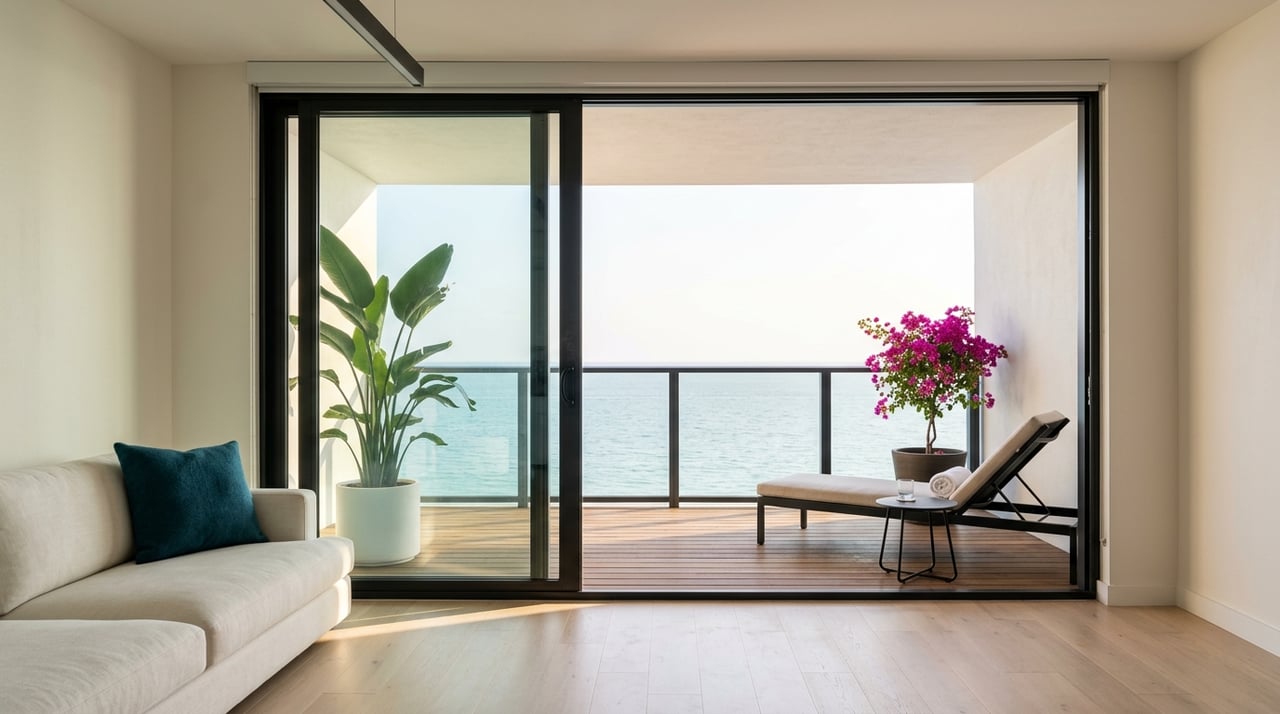
Picture this: you wake up to Biscayne Bay glimmering outside your window, grab coffee downstairs, and end the day with a walk along the water. That is the draw of Miami waterfront condo living, but the lifestyle is about more than postcard views. If you are thinking about buying a bayfront or oceanfront condo in Miami, this guide will help you understand the amenities, neighborhood feel, and practical factors that shape the experience. Let’s dive in.
Why waterfront living stands out
Miami is shaped by water in a way few cities are. The City of Miami reports 88 miles of waterfront, and its current planning work focuses on seawalls, baywalks, and access improvements because the shoreline is both a lifestyle asset and part of the city’s flood-defense system.
That matters when you shop for a condo. A waterfront address can offer daily scenery, easier access to outdoor spaces, and a stronger resort feel, but it also comes with real-world questions about building upkeep, association planning, and resilience features.
For many buyers, that mix is exactly the appeal. You are not just buying square footage. You are buying a relationship to the water, the skyline, and the rhythm of daily life in Miami.
Amenities buyers expect now
In Miami’s waterfront condo market, the standard has moved well beyond a basic pool and gym. Many current bayfront and waterfront projects are built around full lifestyle packages that feel closer to a private resort.
Today, you will often see amenities like:
- Resort-style pool decks
- Cabanas and lounge areas
- Spa and wellness spaces
- Yoga, meditation, or fitness rooms
- Co-working areas
- Concierge service
- Valet parking
- Private dining or café spaces
- Water access features such as docks in some buildings
Published examples from recent Miami projects show how broad that amenity mix has become. Some developments advertise multiple pools, wellness decks, dining pavilions, hospitality services, sky lounges, kids’ areas, and private docks. Not every building offers all of these, but many buyers now expect a high level of service and comfort in the waterfront segment.
What the views really feel like
Views are one of the biggest reasons buyers focus on waterfront condos, but the experience can vary a lot by location. In some buildings, the main event is wide-open Biscayne Bay. In others, it is a blend of water, skyline lights, bridges, parks, and passing boats.
That variety is part of Miami’s appeal. A bayfront condo in Edgewater may give you panoramic water and skyline views, while a Miami Beach address may put you closer to the oceanfront energy. In Brickell or Downtown, the feeling is often more urban, with water woven into a denser city setting.
The best way to think about it is this: the view is not just what you see from the balcony. It also shapes how you move through the neighborhood, what you pass on your daily walk, and how close you feel to the water throughout the day.
Outdoor routines define the lifestyle
One of the clearest differences between waterfront and inland condo living is what happens once you step outside. Miami’s waterfront neighborhoods offer access to promenades, baywalks, parks, and riverfront paths that can become part of your regular routine.
Miami Beach’s Beachwalk is a nine-mile, ADA-accessible oceanfront promenade connecting Miami Beach to Surfside and Bal Harbour. If you like walking, jogging, or biking with the ocean nearby, that is a major lifestyle advantage.
On the bay side, Downtown and Edgewater offer their own outdoor appeal. Bayfront Park spans 32 acres on Biscayne Bay and includes a wide baywalk, while Margaret Pace Park sits directly on Biscayne Bay with views toward the Venetian Islands and Miami Beach. Along the Miami River, Jose Marti Park includes a public riverwalk where you can watch boats move through the city.
Brickell is also evolving in this direction. The City of Miami is rebuilding Brickell Bay Drive with a baywalk, open space, and storm-resiliency improvements, which reinforces how central waterfront access has become to the area’s long-term appeal.
Marina access adds another layer
If boating matters to you, waterfront condo living in Miami can be especially attractive. Still, it is important to know that not every waterfront building has private slips or a private dock.
The City of Miami says its marina division owns and operates more than 1,300 wet slips, dry racks, and mooring buoys. That means some condo owners rely on nearby public or city-run marina options rather than boat access attached directly to their building.
A few notable examples include:
- Dinner Key Marina in Coconut Grove, which the City of Miami describes as Florida’s largest wet slip marina, with 587 wet slips and 250 moorings
- Miamarina at Bayside, which has 125 wet slips for yachts and mega yachts between 55 and 230 feet and sits near Downtown, Brickell, and South Beach
If your ideal Miami lifestyle includes sailing or boating, Coconut Grove stands out in particular. The area is centered around Dinner Key, sailing schools, the Coconut Grove Sailing Club, and regular regattas, giving it a more boat-focused identity than many other waterfront neighborhoods.
Miami waterfront vibes by neighborhood
Miami Beach and South Beach
Miami Beach is the most beach-driven and nightlife-forward version of waterfront living. Ocean Drive pairs ocean views with Art Deco architecture, and the area is known for walkable shopping, dining, entertainment, and late-night energy.
If you want a home that feels tied to a vacation-style atmosphere, Miami Beach may be the strongest fit. It tends to attract buyers who want beach access, activity, and a lively setting close to the water.
Brickell and Downtown
Brickell and Downtown feel more urban and service-rich. The vibe here is often about restaurants, skyline views, bay access, and a faster-paced routine, rather than a beach-first experience.
You may prefer this setting if you want waterfront living with a city backdrop. Bayfront Park, Miamarina, and ongoing waterfront improvements help create a lifestyle that feels polished, connected, and active.
Edgewater
Edgewater sits in the middle of the spectrum. It offers bayfront parks, sweeping Biscayne Bay views, and new towers that emphasize resort-style amenities, while still feeling connected to the urban core.
For many buyers, Edgewater hits a sweet spot. You get strong water views and outdoor access, but often with a mood that feels calmer than the busiest beach districts.
Coconut Grove
Coconut Grove has the most laid-back, boat-centric waterfront feel. Its marina culture, sailing activity, and bayfront dining scene create a lifestyle built around sunsets, boats, and a slower social rhythm.
If your idea of waterfront living is less about nightlife and more about being close to the bay, marinas, and a relaxed setting, the Grove may feel especially appealing.
Waterfront versus inland condos
If you are deciding between waterfront and inland condo living, it helps to be honest about your priorities. Waterfront living usually leans toward views, promenades, boating access, and a stronger second-home or resort atmosphere.
Inland condo living is often more about daily practicality. It may offer easier routines tied to commuting, shopping, and a quieter environment that feels less visitor-oriented.
Neither option is better across the board. The right choice depends on whether you want your home to feel like an everyday base, a lifestyle destination, or a mix of both.
Is waterfront always ultra-luxury?
Not necessarily. Miami’s waterfront condo market includes luxury towers, but it is not limited to the ultra-high-end segment.
According to MIAMI Realtors, Miami Beach’s 2025 median condo and townhome price in vacation-home markets was $500,000. That is a useful reminder that waterfront living in greater Miami can span different price points, building styles, and ownership goals.
For buyers considering a second home, pied-à-terre, or international purchase, Miami also has unusual depth. MIAMI Realtors reports that Miami is the number one U.S. market for foreign home buyers, and buyers from 73 countries were reported in the latest new-construction international report. Over the last 22 months, global buyers purchased 52% of new South Florida construction, pre-construction, and condo-conversion sales.
Practical questions to ask before you buy
The romance of the water is real, but so is the need for careful due diligence. Because Miami’s shoreline is closely tied to flood risk and resilience planning, it is smart to look closely at how a building and its association manage long-term waterfront realities.
As you compare properties, ask about:
- Building maintenance and reserves
- Association rules and fees
- Waterfront infrastructure and upkeep
- Access to public waterfront paths or marinas
- Whether boating access is private, shared, or off-site
- Recent or planned resilience-related improvements
This is where personalized guidance matters. Two waterfront condos can look similar online but offer very different day-to-day experiences once you factor in location, building services, access, and long-term ownership costs.
If you are exploring Miami waterfront condos, the right strategy starts with matching the building to your lifestyle. Whether you want a high-rise in Brickell, a bayfront residence in Edgewater, a beachside home in Miami Beach, or a boat-oriented setting in Coconut Grove, a thoughtful search can help you narrow in on the right fit with more confidence.
For tailored guidance on Miami condo living, pre-construction options, or a private showing strategy, connect with Marilu Perez-Perez.
FAQs
What amenities are common in Miami waterfront condos?
- Many Miami waterfront condos now feature resort-style pools, cabanas, spas, wellness rooms, co-working spaces, concierge service, valet, and in some cases water access features like private docks.
Which Miami waterfront neighborhoods feel the most resort-like?
- Miami Beach and South Beach tend to feel the most vacation-oriented, while Brickell feels more urban, Coconut Grove feels more boat-centric and relaxed, and Edgewater offers a middle ground with bay views and park access.
Do all Miami waterfront condos include private boat slips?
- No. Some buildings offer private docks, but many owners use nearby public or city-run marinas such as Dinner Key Marina or Miamarina at Bayside.
Is Miami waterfront condo living only for luxury buyers?
- No. While Miami has many luxury waterfront towers, the market spans a range of price points, and MIAMI Realtors reported a 2025 median condo and townhome price of $500,000 in Miami Beach vacation-home markets.
Why do international buyers choose Miami waterfront condos?
- Miami attracts global buyers because of its strong international appeal, active new-construction market, and lifestyle mix of water views, amenities, and second-home potential.