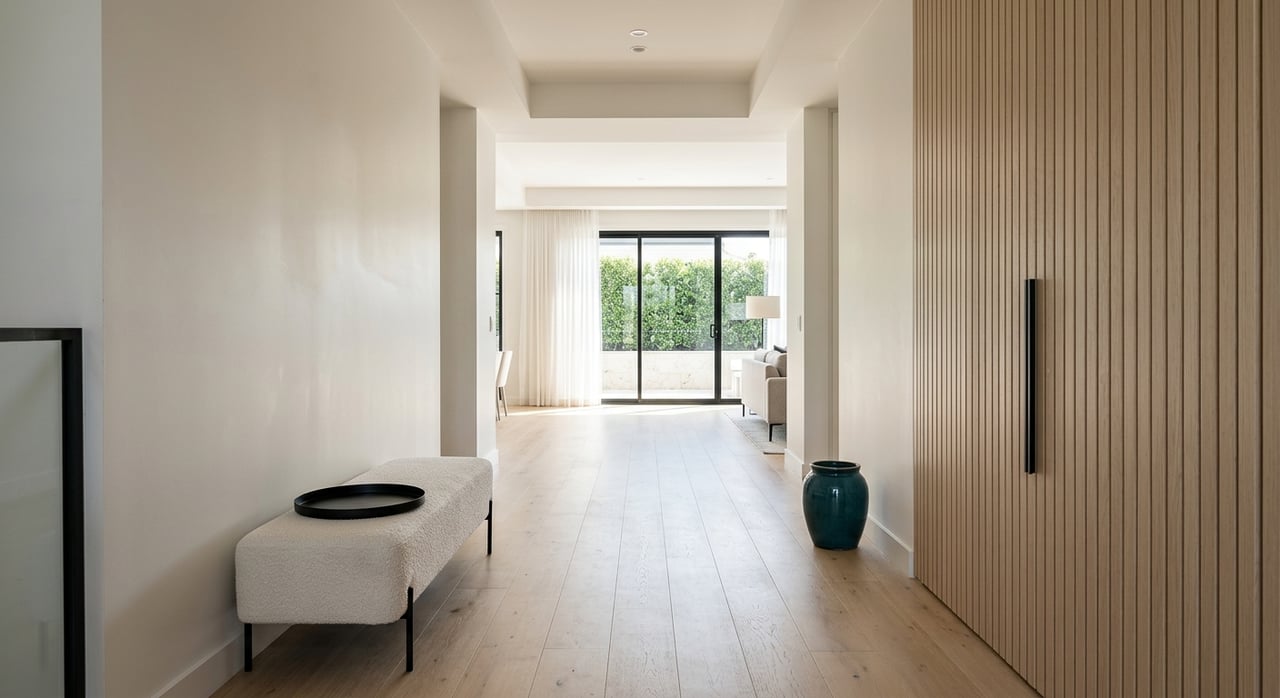
Wondering why some Fort Lauderdale homes attract strong early interest while others sit and chase price cuts? In today’s market, the difference often comes down to two things you can control: pricing and presentation. If you are planning to sell, understanding how buyers are behaving right now can help you launch with more confidence and fewer surprises. Let’s dive in.
Fort Lauderdale pricing needs precision
Fort Lauderdale is not a one-size-fits-all market. Recent city data shows a median listing price of $625,000, a sale-to-list price ratio of 95%, and a median of 90 days on market, which points to a buyer’s market overall.
That said, your home should not be priced from a citywide headline alone. Neighborhood pricing varies widely, with reported figures ranging from about $350,000 in Harbordale to about $1.679 million in Coral Ridge, with Central Beach near $999,000 and Victoria Park near $960,000. That spread is a clear sign that your pricing strategy has to reflect your exact location and property type.
Property type matters more than many sellers think
Broward County data shows a meaningful gap between single-family homes and condos or townhouses. In May 2026, single-family homes had a median sale price of $630,000, received 95.8% of original list price, went under contract in a median of 35 days, and carried 4.5 months of inventory.
Condos and townhouses were moving differently. In April 2026, they posted a $258,000 median sale price, received 92.4% of original list price, took a median of 61 days to contract, and had 11.0 months of inventory. If you own a condo, you may need a more competitive launch strategy than a single-family seller in the same broader market.
Start with closed sales, not wishful pricing
The best pricing decisions come from recent closed sales that closely match your home. In a market where homes are often selling below list price, active listings can show what sellers hope to get, but closed sales show what buyers actually paid.
Florida Realtors also notes that median sale price is often more useful than average sale price because a few very high-end sales can skew the average. That matters in Broward, where the gap between average and median prices is wide for both single-family homes and condos or townhomes.
What your closest comps should match
When reviewing comparable sales, focus on homes that align with your property in the ways buyers care about most:
- Neighborhood and micro-market
- Property type
- Waterfront versus non-waterfront location
- Square footage and lot size
- Condition and finish level
- HOA rules, parking, and amenities
A Fort Lauderdale waterfront condo and a non-waterfront condo may not compete for the same buyer. The same goes for a renovated Victoria Park home versus an older home with deferred maintenance. The closer the match, the more useful the pricing guidance.
Your first list price is your launch strategy
Many sellers think they can start high and adjust later if needed. In this market, that can work against you. When mortgage rates remain elevated, buyers tend to be more payment-conscious, and pricing too high can reduce showing activity right away.
Freddie Mac reported a 6.43% average 30-year fixed mortgage rate as of July 2, 2026. That means buyers are still paying close attention to affordability, even in desirable South Florida locations.
Why the first days matter
Your list price shapes how your home performs online and in person. It affects how many buyers click, schedule a showing, and decide whether the home feels like a fair opportunity.
For many sellers, the goal is not just to be on the market. The goal is to create strong early engagement and a clean path to serious offers. If the launch misses the mark, the market often notices before you have a chance to correct it.
Presentation influences buyer response
Before buyers ever step through the front door, they are reacting to your home through photos, video, and visual first impressions. That is why presentation should be treated as part of your selling strategy, not as a finishing touch.
The 2025 Profile of Home Staging found that 83% of buyers’ agents said staging makes it easier for a buyer to visualize a property as a future home. The same report found that buyers’ agents viewed photos, traditional staging, videos, and virtual tours as highly important marketing tools.
Focus on the rooms buyers notice most
You do not need to stage every inch of the property to make a strong impact. According to the staging report, the rooms buyers respond to most are the living room, primary bedroom, and kitchen.
On the seller side, the most commonly staged rooms were the living room, primary bedroom, dining room, and kitchen. That gives you a practical roadmap for where to spend your time and budget first.
Build a show-ready home before photography
The order matters. If you plan to use professional photos, make sure the home is fully prepared before images are taken. Buyers often decide whether to visit based on those first visuals alone.
A simple show-ready checklist can go a long way:
- Remove clutter and oversized furniture
- Open blinds and maximize natural light
- Tone down bold decor choices
- Give each room one clear purpose
- Complete staging before photos and video
This does not mean your home must look perfect or generic. It means buyers should be able to understand the space quickly and picture themselves living there.
Small fixes can remove big objections
You do not always need a major remodel to improve buyer response. In many cases, the smartest pre-listing work is about removing friction and reducing buyer doubt.
Buyer turn-off guidance points to common issues that can hurt a showing, including unpleasant odors, poor lighting, distracting noises, awkward spaces, dripping faucets, and creaky floorboards. These details may seem minor, but they can signal future maintenance to a buyer.
Prioritize repairs that support a smoother sale
Before listing, focus on practical updates that improve first impressions and reduce visible wear:
- Patch noticeable wall or ceiling defects
- Fix leaks, squeaks, or loose hardware
- Improve dim or uneven lighting
- Deep-clean carpets, rugs, and upholstered surfaces
- Refresh paint where scuffs or wear stand out
This approach helps your home feel cared for and easier to own. It also keeps you from sinking time and money into projects that may delay your launch without adding meaningful value.
Get disclosures and records ready early
In Florida, preparation is not only about appearance. It is also about paperwork and disclosure readiness. Florida law requires a property tax disclosure summary at or before contract execution, a flood disclosure to a residential purchaser at or before contract execution, and disclosure of known defects in sanitary sewer laterals before executing a contract.
In coastal Broward County, flood-related questions are common, so having your information organized early can reduce stress later. It can also help you respond more quickly when a serious buyer is ready to move forward.
What organized sellers often gather in advance
A smoother listing launch often includes:
- Repair estimates and vendor timelines
- Staging and photography scheduling
- Disclosure forms
- Supporting property records
- HOA details, if they apply
This kind of preparation supports cleaner negotiations and fewer last-minute scrambles once your home is on the market.
A smarter Fort Lauderdale selling plan
If you are selling in Fort Lauderdale today, the most effective strategy is usually straightforward. Price from recent, highly relevant closed sales. Present the home so buyers can connect with it quickly online and in person. Fix the issues that create hesitation. Get your documents in order before the listing goes live.
In a market where buyers have options, these steps can help your home stand out for the right reasons. They also create a better experience for you from launch through closing.
If you want tailored guidance on pricing, prep, and positioning for your Fort Lauderdale home, Marilu Perez-Perez offers personalized, high-touch support from valuation through closing.
FAQs
How do you price a Fort Lauderdale home accurately in today’s market?
- The most reliable approach is to use recent closed sales that closely match your home by neighborhood, property type, waterfront status, size, condition, and amenities rather than relying on city averages or active listings.
Should a Fort Lauderdale condo be priced differently than a single-family home?
- Yes. Broward market data shows condos and townhouses are generally taking longer to contract, receiving a lower percentage of original list price, and carrying more inventory than single-family homes.
Is staging worth it for a Fort Lauderdale home sale?
- In many cases, yes. Staging can help buyers visualize the home more easily, and strong visuals like photos, video, and virtual tours play an important role in generating interest.
Which repairs should you make before listing a Fort Lauderdale home?
- Focus on repairs that remove buyer objections, such as fixing leaks, squeaks, lighting issues, visible wear, and cleanliness concerns rather than taking on large remodels that may delay your listing.
What disclosures matter when selling a home in Florida?
- Florida sellers should be prepared for required property tax, flood, and known sanitary sewer lateral defect disclosures at or before contract execution, so it helps to organize records early.