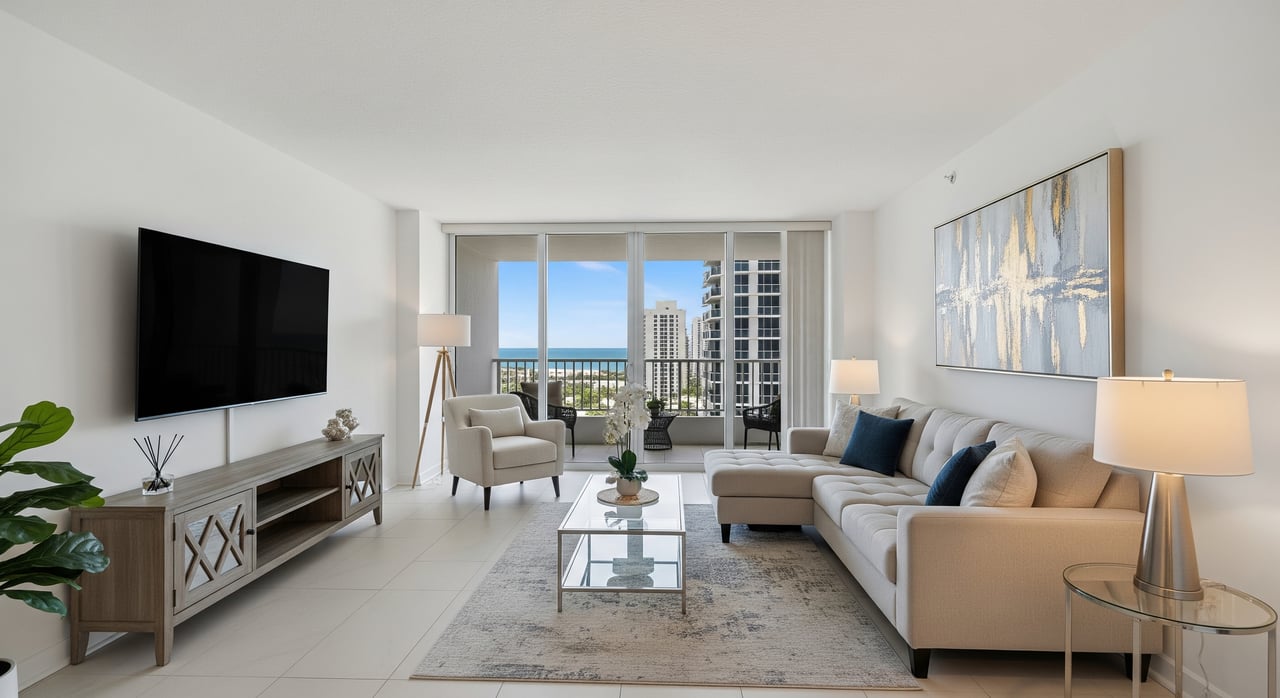
Dreaming of sunrise bay views, a quick walk to coffee, and a lobby that feels like a boutique hotel? Miami’s high-rises can deliver that lifestyle, but they also come with rules, fees, and building realities that are different from a single-family home. If you are weighing the condo life, you want clear answers on daily living, costs, and risk. This guide breaks down what to expect in Miami’s urban towers and how to do smart due diligence before you buy. Let’s dive in.
Neighborhood snapshots
Brickell
Brickell is Miami’s finance hub with a dense cluster of luxury and mid-market towers. You can walk to dining, gyms, and the free Metromover, and connect to the broader region on Metrorail. The vibe fits professionals, frequent travelers, and empty nesters who value convenience and amenities.
Downtown and Arts & Entertainment
Downtown places you near cultural venues and transit, with a strong mix of owners and renters. You get city energy, tall towers, and easy access to events. Expect a range of buildings, from newer luxury to older high-rises with different amenity levels and dues.
Edgewater
Edgewater lines Biscayne Bay with towers that chase water views. You get an urban feel with a calmer pace than Brickell’s core. Buildings range from new luxury to older mid-rises, so finishes, amenities, and fees vary widely.
Daily life inside the tower
Living vertically means you plan around the building. Elevators shape your routine, especially during rush hours or move-ins. Package rooms and lockers streamline deliveries. Shared walls and common spaces come with rules on quiet hours and amenities. Many residents value controlled access, staffed lobbies, and camera systems. You trade a yard for a balcony, and you may limit balcony use in storm season.
Amenities that shape your dues
High-rises in Miami often feature pools, fitness centers and spas, resident lounges, and pet amenities. Many offer 24/7 concierge and security, valet or covered parking, business centers, and children’s playrooms. Some newer towers include impact windows, elevated mechanical rooms, or emergency generators. The more staff and amenities a building supports, the higher the HOA fees tend to be. Always confirm what is included, like water or cable, since these vary.
Parking, storage and moving
Assigned or valet parking is common, though guest parking can be tight. Storage is limited and may require renting a locker. Move-ins use service elevators and must be booked, often with fees and time windows. In busy towers, reserve well in advance.
Costs, HOAs and reserves
Monthly condo fees typically fund building insurance for common areas, staff, utilities like water if included, and upkeep for pools, gyms, and lobbies. Review the association budget to see exactly what you get. Healthy reserve funds are critical. Ask for the most recent reserve study and reserve balances. If reserves are thin, you could face a special assessment for major repairs.
Inspections and building health
Since the Surfside tragedy, state and local rules expanded structural inspections and recertifications, especially for older and coastal buildings. Request copies of recent engineering reports, recertification status, and any remediation plans. These reports impact safety, timelines, and costs. Check board minutes for discussions on concrete restoration, façade work, or elevator upgrades.
Insurance, flood and wind
Condo risk in Miami has multiple layers. The association carries the master building policy for common areas, while you may need your own policy and, if in a flood zone, separate flood insurance. Flood exposure varies by building location and elevation. Windstorm deductibles can be significant, and associations sometimes levy assessments after storms. Florida’s insurance market has been volatile, so get updated quotes and review the association’s recent insurance renewals and deductibles.
Financing and rental rules
If you plan to finance, confirm early that your lender accepts the building. Many lenders and agencies use project criteria such as owner-occupancy ratios, delinquency levels, and whether there is pending litigation. Non-approved projects can limit conventional mortgage options. Rental policies also matter. Building bylaws and local regulations set whether you can rent, and for how long. Some towers prohibit short-term rentals. Review the declaration and rules before you buy.
Pros and cons at a glance
Advantages
- Walkable access to dining, services, and transit
- Amenity-rich living with less day-to-day maintenance
- Controlled access and staffed lobbies
- Strong renter demand in core areas, subject to rules
- Water or skyline views from higher floors
Tradeoffs
- HOA fees that can rise with staffing and repairs
- Risk of special assessments and litigation
- Smaller storage and outdoor space
- Elevator dependence and possible congestion
- Flood and hurricane exposure with higher insurance costs
- Urban noise and foot traffic compared with suburbs
Buyer due diligence checklist
Use this list to compare buildings and avoid surprises:
- Association financials for the last 2–3 years, current budget, reserve study, and reserve balances.
- Board meeting minutes from the past 6–12 months for talk of repairs, assessments, or litigation.
- Governing documents, including rental and pet rules, quiet hours, and move policies.
- Recent inspection and recertification reports, plus permit history for major work.
- Association insurance certificate and recent premium history, including windstorm deductibles.
- Flood zone information and elevation details; obtain flood quotes if applicable.
- Litigation disclosures and notes on construction defects or disputes.
- Parking space assignment, storage availability, fees for extra spaces, and guest parking rules.
- Lender project acceptance if you need conventional financing.
- Neighborhood access to transit, groceries, and medical care, and your comfort with urban activity levels.
Is a high-rise right for you?
If you want convenience, views, and amenities, Miami’s towers can be a great fit. The key is to verify building health, financials, insurance, and rules. Compare similar units across Brickell, Downtown, and Edgewater, and weigh lifestyle perks against costs and risk. With the right guidance, you can find a building that matches your routine and long-term plans.
When you are ready to tour buildings, review documents, and build a smart offer strategy, connect with Marilu Perez-Perez for a private consultation. Hablo español e italiano and tailor the process to your goals.
FAQs
What do HOA fees cover in Miami high-rise condos?
- Fees often fund common area insurance, staff, maintenance, and some utilities like water. Review the budget to confirm inclusions and whether reserves are funded.
How do special assessments work in Miami condo buildings?
- Associations levy assessments when reserves do not cover repairs. Ask for recent minutes, financials, and notices to see if anything is planned or pending.
What should I check about building inspections post-Surfside?
- Request recent structural and recertification reports, timelines for repairs, and evidence of compliance. These affect safety, costs, and lending.
Do I need flood insurance for a Miami high-rise condo unit?
- If the building is in a flood zone and you finance, lenders often require flood coverage. Verify your building’s zone and get current quotes.
How does condo project approval affect financing in Miami?
- Lenders review building factors like owner-occupancy, delinquencies, and litigation. If a project is not approved, conventional loan options can be limited.
Are short-term rentals allowed in Miami high-rise condos?
- It depends on the building bylaws and local rules. Some towers prohibit short-term rentals or set minimum stay requirements. Always verify in writing.